Finding Sand Dollars at Myrtle Beach: A Beachcomber’s Guide
Finding sand dollars along Myrtle Beach’s 60 miles of pristine coastline is one of the most rewarding experiences for beachcombers and nature enthusiasts. These delicate, disc-shaped treasures are actually the skeletons of sea urchins, and with the right knowledge and timing, you can discover them during your visit to the Myrtle Beach area.
Best Times to Search
The optimal time for sand dollar hunting is during low tide, particularly after a storm or during the early morning hours. Low tide exposes more of the ocean floor, revealing sand dollars that are normally hidden beneath the waves. Check local tide charts before heading out, and plan your search about an hour before low tide begins. Winter months and early spring often yield better results, as rough seas tend to wash more sand dollars ashore.
Prime Locations
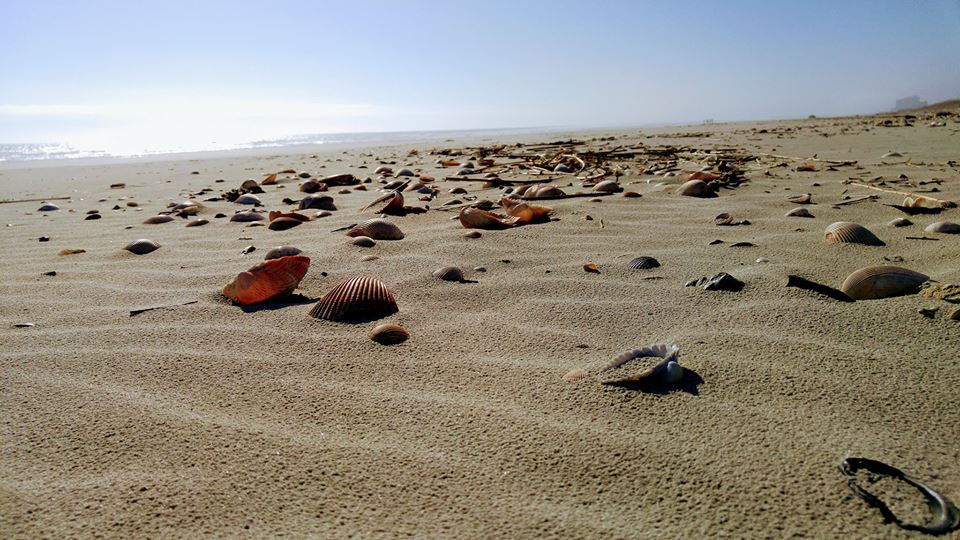
While sand dollars can be found along various stretches of Myrtle Beach, certain areas are particularly productive. Myrtle Beach State Park is an excellent location for your search. This 312-acre oceanfront park offers a more natural, less crowded beach environment compared to the busy tourist areas. The park’s protected shoreline creates ideal conditions for sand dollars to wash up, especially near the fishing pier and along the southern sections of the beach. They have a really fun Segway tour you can do there, as well! Check that out Here.
For more adventurous seekers, Waties Island offers exceptional sand dollar hunting opportunities. This pristine, undeveloped barrier island accessible only by boat provides some of the best shelling on the Grand Strand. The island’s remote beaches remain largely untouched, making it a paradise for serious collectors. The northern tip of Waties Island is especially known for abundant sand dollars and other unique shells.
Our Top Tip…
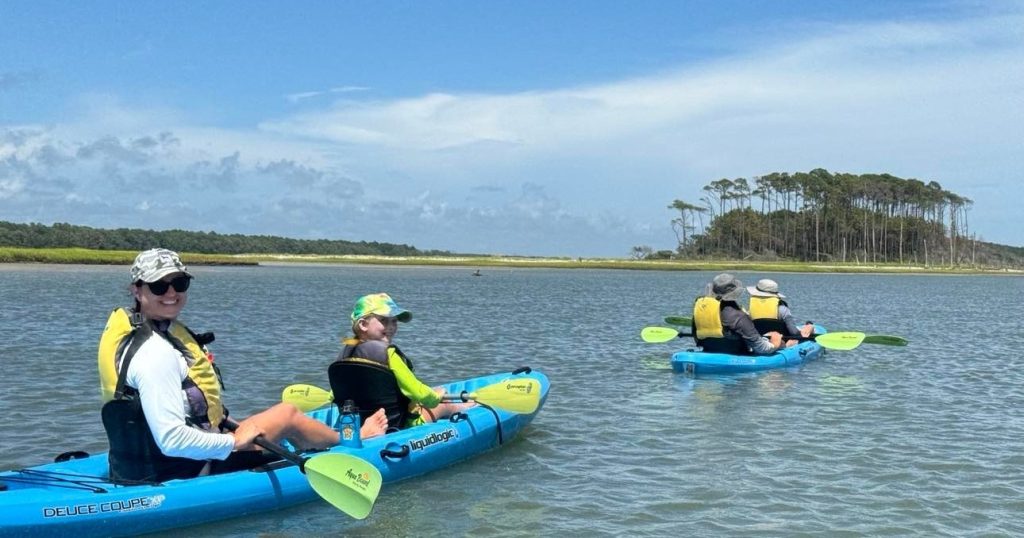
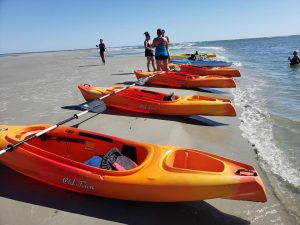
Our Top Tip for finding sand dollars is to venture out on this Waties Island Beach and Kayak Adventure. This well thought out trip lets you paddle with the tides from Cherry Grove out to this hidden 1,400-acre barrier island, where you’ll have time to swim, explore wide open beaches, hunt for shells, and discover the island’s thriving wildlife habitat. It’s a relaxed, family-friendly tour that blends easy, tide-assisted paddling with genuine coastal wonder, and one of the best ways to find sand dollars without fighting the crowds. No prior experience is required and the guide is local and knows this trip. It’s also very affordable. Check it out and book here.
(no title)
Myrtle Beach’s Original Dolphin Cruise
Family Fun
Other productive spots include the quieter northern and southern ends of the Grand Strand, where development is less dense and natural beach conditions prevail.
If you’d rather let someone else do the navigating, Captain Charlie’s Shelling Tour runs just north of Myrtle Beach in Carolina Beach, NC. and is a fantastic option. Captain Charlie runs boat-access-only shelling trips to beaches you simply can’t reach on foot, giving you a major leg up on finding the good stuff. The tours are small, personal, and even dog-friendly, so feel free to bring your four-legged crew member along for the adventure! It’s a laid-back, fun experience for the whole family. Book your shelling trip with Captain Charlie here.
What to Look For
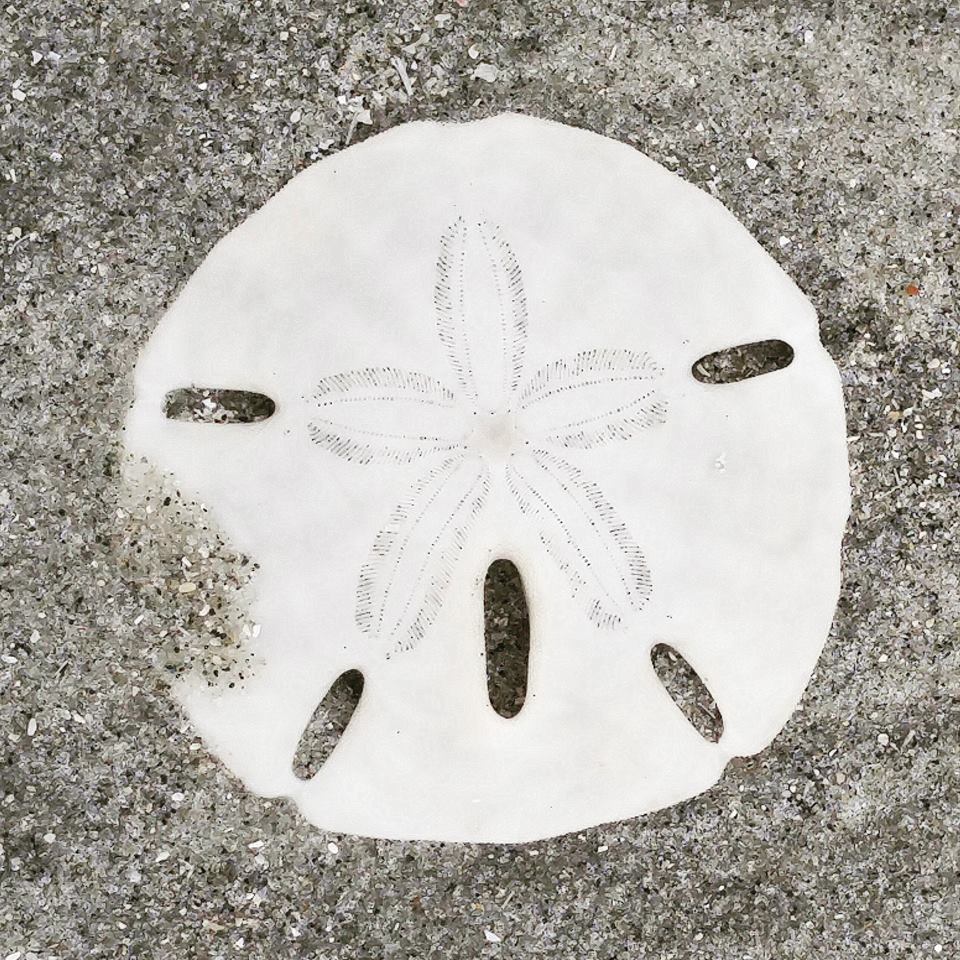
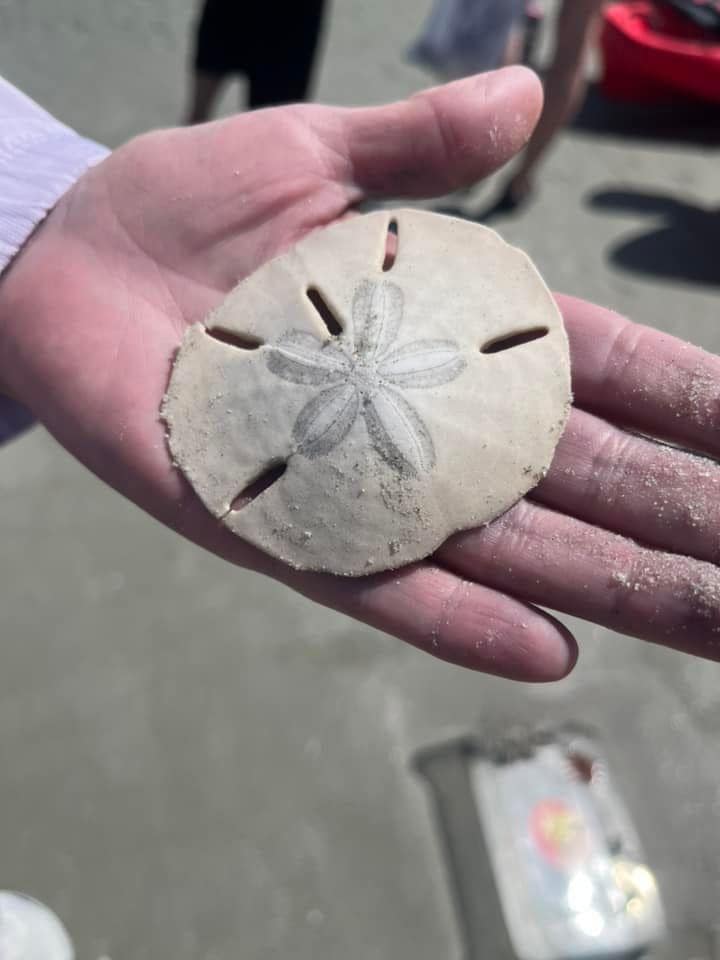
Live sand dollars are typically purple or reddish-brown and covered in tiny, velvety spines. If you find a live sand dollar, it’s important to return it to the ocean immediately, as collecting live specimens is harmful to the ecosystem and illegal in many areas. The white sand dollars you see in gift shops are actually the bleached skeletons of deceased animals.
Look for circular impressions in the sand or slight bumps just below the surface. Sand dollars often burrow partially into the sand at an angle, with just a portion visible. Focus your search in shallow water and along the wet sand where waves recede.
Collecting Tips
Bring a mesh bag or bucket with holes to transport your finds while allowing excess sand and water to drain. Wade into shallow water up to your knees and shuffle your feet gently through the sand, you’ll often feel sand dollars beneath your toes. Use your hands to sift through the sand in promising areas.
When you find white, bleached sand dollars, handle them carefully as they’re extremely fragile. Rinse them gently in fresh water and allow them to dry completely in the shade to prevent cracking.
Conservation Matters
Remember that sand dollars play an important role in the marine ecosystem. Always practice responsible collecting by taking only what you’ll use, never collecting live specimens, and respecting posted regulations. By following these guidelines, you’ll help ensure that future generations can enjoy the same treasure-hunting experiences along Myrtle Beach’s beautiful shores.
Fun Activities South of Myrtle Beach

Fun Things to do in Myrtle Beach